U.S. and Iran pause mutual attacks to give peace negotiations space
Both sides have halted military operations for the first time in nearly two weeks, sending oil prices lower as diplomats work to resolve disputes over the Strait of Hormuz.
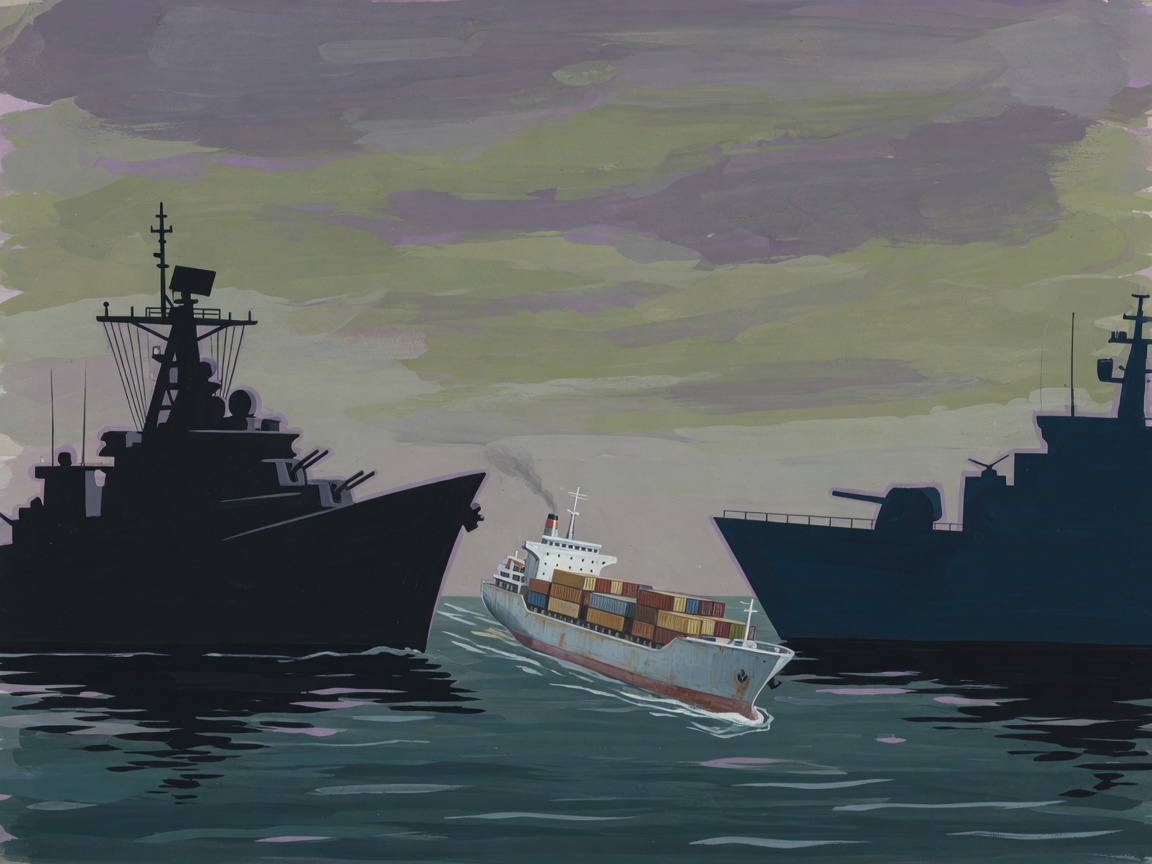
The United States and Iran have paused mutual attacks for the first time in nearly two weeks, creating a narrow window for diplomacy as both sides signal willingness to continue talks despite unresolved hurdles over the Strait of Hormuz and other flashpoints.
President Donald Trump paused strikes on Iran for the second consecutive night. US ambassador to the UN Mike Waltz told Fox News on Sunday that the president was “giving talks some space, he’s giving it a little bit of room.” Iran’s army spokesperson said Sunday that Tehran had halted “retaliatory” attacks in the region in response.
The pause follows nearly two weeks of daily US strikes and tit-for-tat attacks that effectively unravelled a ceasefire struck in June. That ceasefire, formalized in a memorandum of understanding, was meant to halt military operations, reopen the Strait of Hormuz, and produce a broader agreement to end the war within 60 days. It collapsed after Iranian forces attacked tankers in the strait on 13 July, prompting the US to resume airstrikes and reinstate its naval blockade on Iranian ports. Iran then retaliated with attacks on US military facilities across the Middle East, killing four American soldiers. US strikes have killed dozens of people, according to Iran’s health ministry.
Markets respond
Oil prices dropped sharply. Brent crude, the international benchmark, fell as much as 7.1% to $89.94 a barrel on Monday after hitting $100 last week for the first time since May. European wholesale gas prices also fell, with the Dutch front-month contract dropping 6.8% to €59.22 per megawatt hour. European stocks rallied. The Stoxx Europe 600 rose 0.9%, the FTSE 100 gained 0.5%, the French Cac 40 climbed 1.1%, and the German Dax advanced 1.5%.
Deutsche Bank analysts wrote in a Monday note that the main market risk remains the energy and shipping front. “Traffic through Hormuz remains severely disrupted, while the conflict has broadened into the Red Sea,” they wrote. “This raises the prospect of simultaneous disruption to both Gulf and Red Sea export routes. So a welcome pause from the main actors but a fragile one, especially with side battles still ongoing.”
Challenges facing negotiators
The Strait of Hormuz, through which a fifth of global oil supply flowed before the conflict began, remains closed as the US maintains its ongoing naval blockade. Oman, which sits on the opposite side of the strait from Iran, has emerged as a key player in negotiations. An Omani delegation was in Tehran on Friday and Saturday to negotiate a provisional arrangement for managing shipping transit through the waterway, according to Iranian foreign ministry spokesman Esmail Baghaei. Both sides called the talks constructive.
Analysts warn that normalization of traffic through the strait is unlikely in the short term. Negotiators must also agree on controversial topics including the future of Iran’s nuclear program, sanctions relief, and Tehran’s continued support for its proxy groups across the Middle East. A China-led push to resume stalled diplomatic efforts in Pakistan has added another dimension to the diplomacy.
Waltz rejected reports in the New York Times that administration officials had warned expanding hostilities could dangerously drain a diminished stockpile of air defence munitions. “The US military... has everything that it needs to conduct this campaign as effectively as it needs to be,” he told NBC. Asked whether Trump had decided against escalation, Waltz said he would not go that far. “The president is keeping all options on the table,” he said.
Reports from the New York Times and Axios suggest an active debate within the administration over the effectiveness and costs of further strikes, with some military officials reportedly arguing that key objectives have largely been achieved. Deutsche Bank’s Jim Reid said that while the pause is not a formal ceasefire, both sides have presented it as “an opportunity for diplomacy.” The situation remains fluid.
Other actors continued military action over the weekend. The Saudi military conducted strikes on Iran-backed Houthi targets in Yemen after the rebel group attacked Red Sea shipping. The Ukrainian military reportedly struck an Iranian commercial vessel in the Caspian Sea, killing one sailor and injuring another. Kyiv said the vessel was transporting military cargo supporting Russia’s invasion, while Tehran called the attack a “hostile and criminal act.”
The war is nearing its fifth month. A CBS/YouGov poll found 57% of Americans are frustrated about the conflict and only 19% optimistic. Thousands of people have been killed across the Middle East since the US-Israeli war with Iran began in February, with the vast majority from Iran and Lebanon. Trump is set to meet Israeli Prime Minister Benjamin Netanyahu at the White House on Tuesday. In the UK, Defence Secretary Wes Streeting said he would meet his US counterpart Pete Hegseth in the coming week to discuss the strait. “When it comes to securing maritime freedom and free commercial shipping in the Strait of Hormuz, that’s where we are absolutely aligned,” Streeting told the BBC.
Sources & methods
- BBC News report on the US pause in attacks on Iran, ambassador Waltz's remarks, the June ceasefire collapse, Strait of Hormuz disputes, oil prices, and the CBS/YouGov poll Archived Jul 27, 2026
- CNBC report on the temporary hiatus in hostilities, Saudi and Ukrainian military actions, negotiating challenges including Iran's nuclear program and sanctions relief, and Deutsche Bank analysis Archived Jul 27, 2026
- The Guardian business live coverage of oil price declines, European market rallies, gas price falls, Deutsche Bank and Jim Reid commentary, and administration debate over strike effectiveness Archived Jul 27, 2026
This article was compiled from three wire and news outlet reports covering the US-Iran pause, market reactions, and diplomatic developments. All direct quotations were verified against the source texts.