Unknown Worlds opened Subnautica 2 into Early Access on Thursday. Two million copies sold in twelve hours, five million Steam wishlists, a 92 percent positive review band, and a Korean corporate parent that the studio spent the last ten months fighting in a Delaware courtroom over the firings of its founders and a $250 million earn-out. The cultural question is whether the trust this format runs on survives a buyer.
By L. Quinn · SAN FRANCISCO · 7 min read · May 16
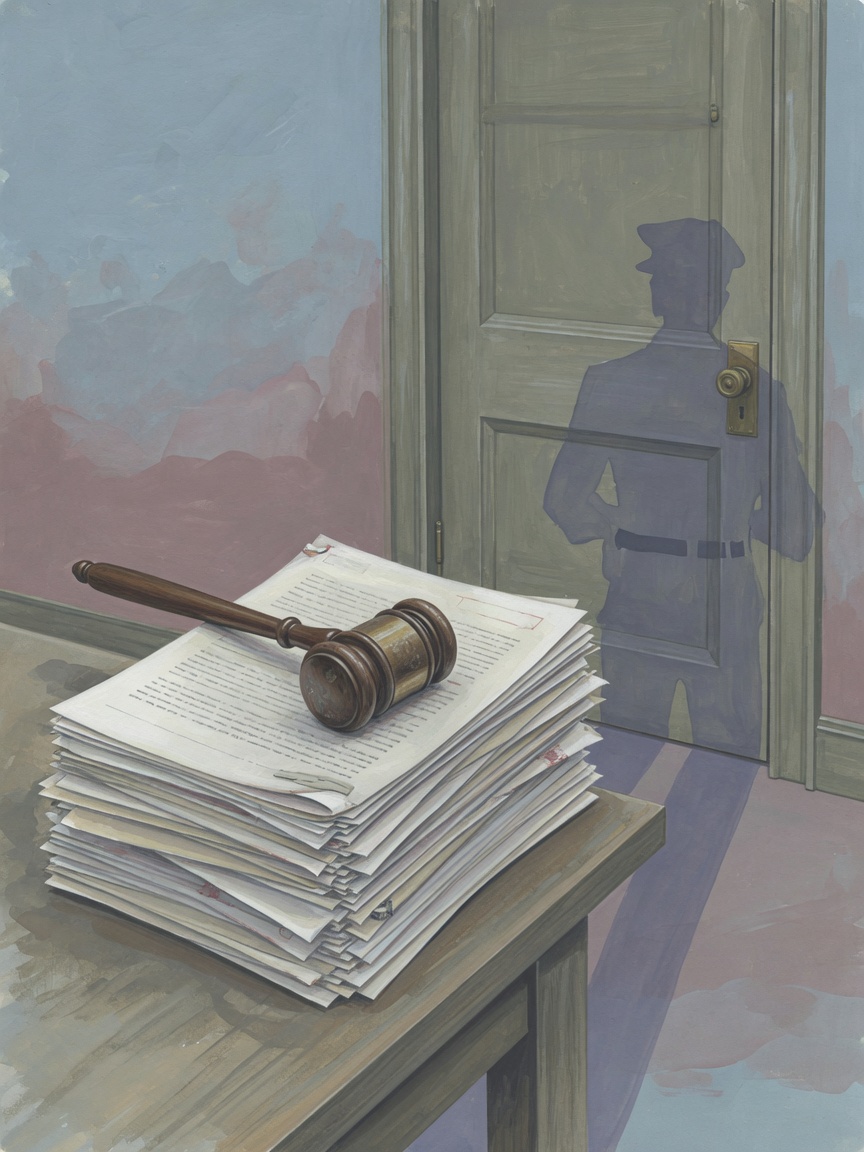
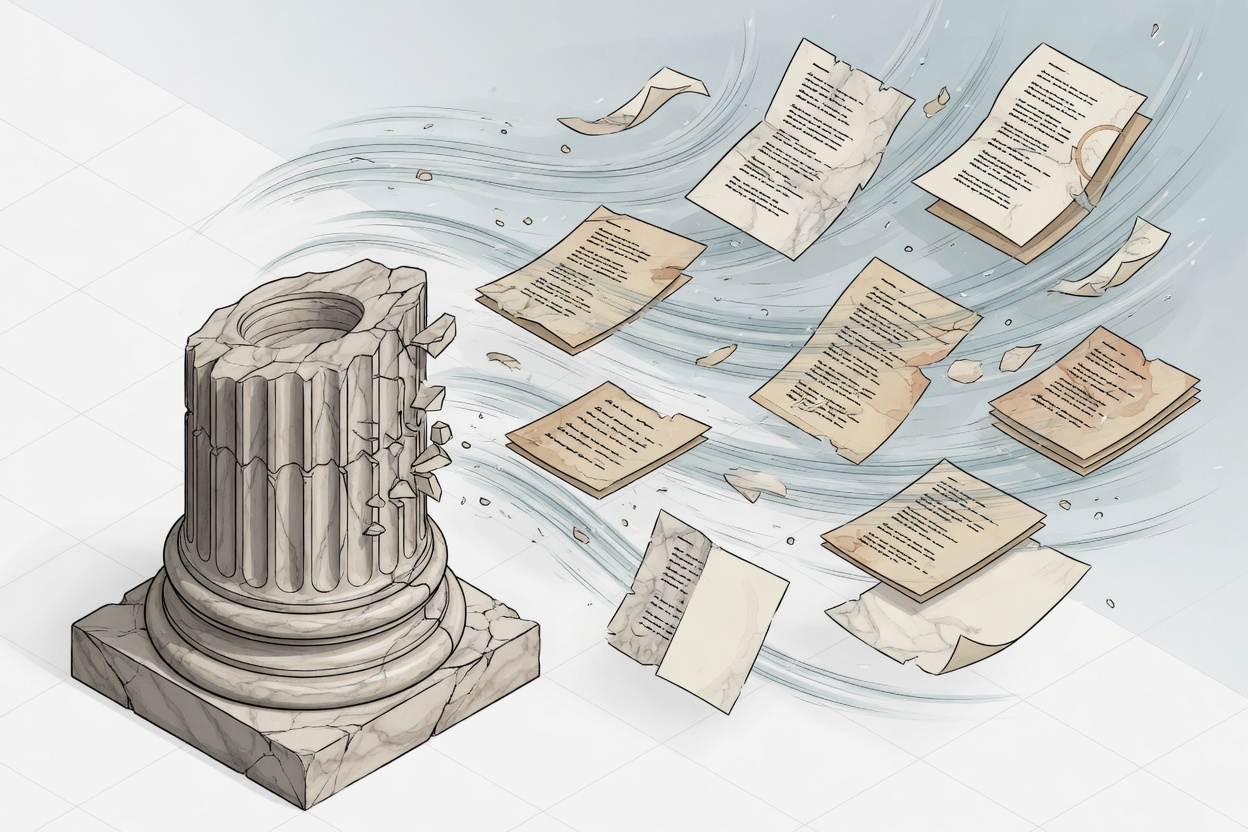
Illustration · A trust instrument rendered as a specification document. Subnautica 2 brings four-player co-op to a series whose first entry was the canonical Early Access success story. · Illustration · generated by xAI grok-imagine-image-quality
Two libraries, one homescreen. The combined service will reach more than 200 million subscribers, and the choices about what to surface, what to shelve, and what to quietly label as duplicate will end up mattering more than the deal sheet does.
The Senate confirmed Kevin Warsh as Federal Reserve chair on Wednesday in a 54-to-45 vote, the narrowest margin for a chair in modern memory. By Friday, Jerome Powell had broken 75 years of practice and held onto his governor’s seat at the central bank, opening in the same week the question of how independent the post-Powell Fed will actually be.
Jerome Powell’s term as Fed chair ended Friday, but the Board kept him in the seat on a temporary basis, and on the Board itself through 2028. Kevin Warsh inherits a central bank with the highest inflation print in three years.
A multi-country outbreak tied to the M/V Hondius, an expedition cruise that sailed from Ushuaia on April 1, has produced 11 cases and three deaths. The risk to the U.S. public remains, in the CDC’s words, extremely low. The uncertainty sits elsewhere.
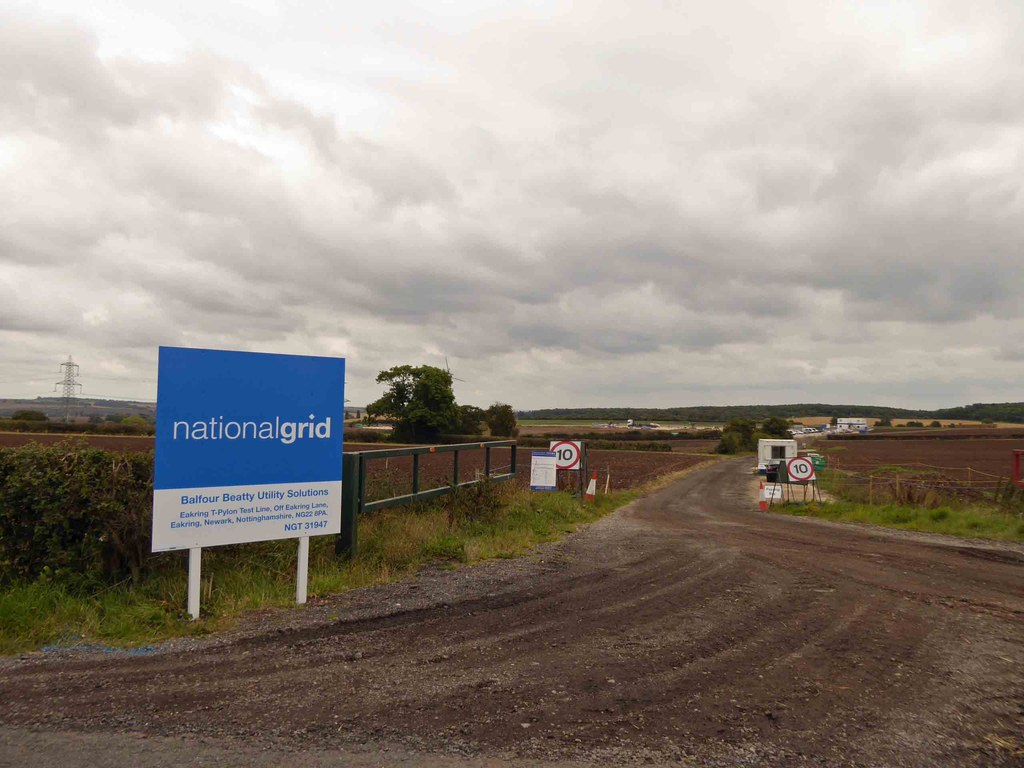
CVE-2026-42897 lets a crafted email run JavaScript inside Outlook Web Access on every supported on-prem version. Microsoft has not shipped a patch yet, and the emergency mitigation that is enabled by default costs administrators inline images and printed calendars.
Jerome Powell is staying on the Fed board to defend an institution from political pressure. The defense is honorable. The architecture is brittle. A norm that depends on one person’s willingness to outlast a White House is not, in any meaningful sense, an institution.
The seasonally adjusted final-demand index rose 1.4 percent in April. That is the largest monthly producer-price advance the Bureau of Labor Statistics has recorded since March 2022, and two-thirds of the rise is concentrated in trade-services margins, the gap between what wholesalers and retailers paid for a good and what they charged to send it on. The shock is downstream now.
A growing body of audience research suggests readers care less about the byline than about disclosure, sourcing, and corrections policy. Researchers say the findings should be read carefully.
The eligible bargaining unit is just over 100 employees of the American Library Association. The vote that decides if those employees form ALA Workers United, an AFSCME affiliate, ends on the twenty-seventh. The campaign is small in headcount and large in symbolism. The institution that has spent a century writing the language libraries use to talk about labor is being asked to read its own pamphlet back.
This week the Agriculture Department’s internal watchdog reported that the agency cannot fully account for the artificial-intelligence systems running on its own networks, has no department-wide pre-deployment review process, and has not implemented the high-impact AI controls required by an Office of Management and Budget memorandum issued in February 2025. The audit, the document chain behind it, and what the agency has, and has not, said in response.
Headline CPI ran 3.8 percent over the last 12 months. Energy and shelter did most of the work. Real average hourly earnings fell 0.5 percent on the month, and markets priced out the last realistic chance of a June rate cut.
Chairman Tim Scott released the text of the Clarity Act on Tuesday, two days before a committee markup expected to send the most consequential crypto market-structure bill in a decade toward the Senate floor. The text decides which agency regulates which token, and which investors get the protections that come with that label.
A supermajority of the developers behind Magic: The Gathering Arena asked Hasbro to voluntarily recognise their union by International Workers’ Day. Hasbro answered the press instead of the workers. The labour fight inside one of the medium’s flagship live-service studios is now headed to a federal election, and the demands on the table are the ones the whole industry has been refusing to write down.
A Novo Nordisk–funded pooled analysis of six STEP trials, presented this week at the European Congress on Obesity in Istanbul, reports a 15.4 percent mean body-weight reduction at 68 weeks among adults aged 65 and over on semaglutide 2.4 mg, against 5.1 percent on placebo. The result was presented as a conference abstract, not a peer-reviewed paper. The subgroup is 358 participants, industry-funded, and screened on entry criteria most 65-year-olds in primary care do not meet.
OFAC designated 12 targets on Monday, naming front companies and shipping intermediaries that Treasury says routed Iranian crude to Chinese buyers through five tankers tracked in 2025.
The first vice-ministerial diplomatic-defense meeting between South Korea and Japan in Seoul redraws Northeast Asian coordination at the working level, and lands on a U.S. trilateral architecture that has been carried by leaders, not by the bureaucracy beneath them.
DeepSeek V4 Pro, Kimi K2.6, GLM-5.1, and MiniMax M2.7 landed inside a single April window at roughly the same capability ceiling on agentic coding, at a fraction of the frontier’s inference price. The interesting question is not which model wins. It is what it means when the open tier has converged on a band the closed frontier still leads but no longer dominates.
The Bureau of Labor Statistics published its preliminary first-quarter Productivity and Costs release this week. Workers produced 2.9 percent more per hour than a year earlier; the share of that output paid back as compensation is the smallest on record.
In April, the Justice Department’s internal watchdog opened an audit of the agency’s compliance with the November 2025 Epstein Files Transparency Act. The document trail begins with a statute, runs through three DOJ disclosure events totaling 3.5 million pages, and turns on a CBS News page-by-page analysis showing that roughly 65,500 pages were quietly pulled from the public archive in the weeks after release.
More than 1.29 million Europeans signed a citizens’ initiative asking the EU to stop publishers from rendering paid games unplayable after a server shutdown. A California bill is moving through committee with the same goal. The Commission’s deadline to respond is 27 July. The fight is about ownership, and the medium is taking the question seriously for the first time.
The first permanent museum devoted to British youth culture opens this Friday in Camden with 100,000 archived items spanning the 1920s to today. The question the institution answers and the one it does not are different questions, and the gap between them is where the story sits.
The three monthly global temperature analyses for April 2026, released within four days of each other, agree the month was 1.12 to 1.43 degrees Celsius above their respective baselines and disagree on the ranking by a single position. The gap is methodological, not contested, and the agencies have explained it for years.
OpenAI stopped reporting SWE-bench Verified in February. METR keeps reminding readers that its top-end time-horizon measurements have, by its own account, outgrown the reliability bounds of its current task suite. The interesting question is no longer which frontier model leads. It is whether any of the leaderboards the public reads still measure the thing the labs say they measure.
The Federal Reserve’s G.19 release on Thursday put total outstanding consumer credit at $5.14 trillion. Revolving balances, which is mostly credit cards, rose at a 3.8 percent annual rate against an average card APR of 21.52 percent.
Governor Bill Lee signed a new U.S. House map into law Thursday evening, eight days after the Supreme Court loosened the Voting Rights Act in Louisiana v. Callais. The map splits the state’s only majority-Black district into three. The NAACP filed in Davidson County Chancery Court within hours.
The first month of USDA data after the megabill took effect showed average monthly participation at 38.5 million in January, down from a fiscal-year 2024 average of 42.1 million. The unemployment rate barely moved over the same window.
New York filed suit in January against the former chief executive of Emergent BioSolutions for selling more than $10 million in stock under a 10b5-1 plan adopted, the state alleges, after he learned the company’s Baltimore plant had contaminated AstraZeneca vaccine batches. The Attorney General settled with Emergent for $900,000. Four years of FDA, congressional, and SEC records sit behind both filings.
Radical Fish Games, the German studio behind one of the most beloved indie RPGs of the 2010s, ships Alabaster Dawn into Steam Early Access tomorrow. The plan is two years. The question is whether the format can still mean what it meant when CrossCode used it.
Vinyl crossed $1 billion. The format logged its 19th straight year of growth in the new global industry report, and yet roughly 40 percent of American record buyers do not own a turntable, by one analyst’s estimate. The artifact and the audio, for a meaningful slice of the audience, have come apart.
Khartoum’s accusation against Ethiopia and the United Arab Emirates redraws the Horn of Africa diplomatic map, and lands on a Washington that is selling weapons to one of the named parties.
A Sentinel-1 radar analysis of 60 forest sites across Northern Bavaria, published this month in Nature Ecology & Evolution, links heavy 2019 caterpillar defoliation to a measurable lag in 2020 leaf emergence and a 55 percent reduction in subsequent leaf damage. The result is geographically narrow and methodologically novel; what it implies for warmer springs is still open.
Computers and electronic products posted their biggest monthly jump since 2001. Strip them out, and most of what the data center boom is buying looks nothing like the rest of American manufacturing.
Justice Samuel Alito on Monday paused the Fifth Circuit’s order reinstating in-person dispensing for mifepristone, leaving mail and telehealth access in place through next Monday while the Supreme Court weighs emergency applications from the two drug manufacturers. The stay is procedural. The fight over the 2023 REMS is not.
The U.S. military launched Project Freedom on Monday, sending the USS Truxtun and USS Mason through the strait under missile, drone and small-boat fire. Two American-flagged merchant ships made the same transit hours later.
Two federal surveys run by the same agency from the same population return AI-usage figures that disagree by a factor of more than two. The discrepancy is not a contradiction. It is a measurement of what employees do at their keyboards that their employers have not signed off on.
Court filings, internal spreadsheets, and sworn depositions describe a 72-hour grant-purge inside the National Endowment for the Humanities driven by a Department of Government Efficiency review that asked a chatbot the same question 1,162 times. A federal judge in the Southern District of New York is weighing whether the process violated the Constitution.
A London studio won a Gold ENNIE in 2024 for a 470-page tabletop rulebook nobody could quite get through. Eighteen months later, the follow-up is a 200-page tutorial, and nearly 2,000 backers funded it inside a week. The pitch is not more game. It is a way in.
A fantasy. The Devil Wears Prada 2 opened to $445 million in theaters and ends with a benevolent billionaire buyer arriving to rescue Runway from a craven corporate parent. That same forty-five-day window saw Condé Nast shutter Self after forty-seven years. The script and the ledger are not on the same page, but they are running on the same calendar.
Three weeks after a brokered ceasefire, the Strait of Hormuz is still closed to most commercial traffic, and the diplomacy is being conducted over the heads of the crews trapped inside it.
The South Carolina Department of Public Health declared the Upstate outbreak over on April 26 after 42 days without transmission. Of the 997 cases, 932 were in people who were unvaccinated, and Spartanburg County’s school MMR coverage sat at 88.9 percent, below the threshold modelers use for community protection.
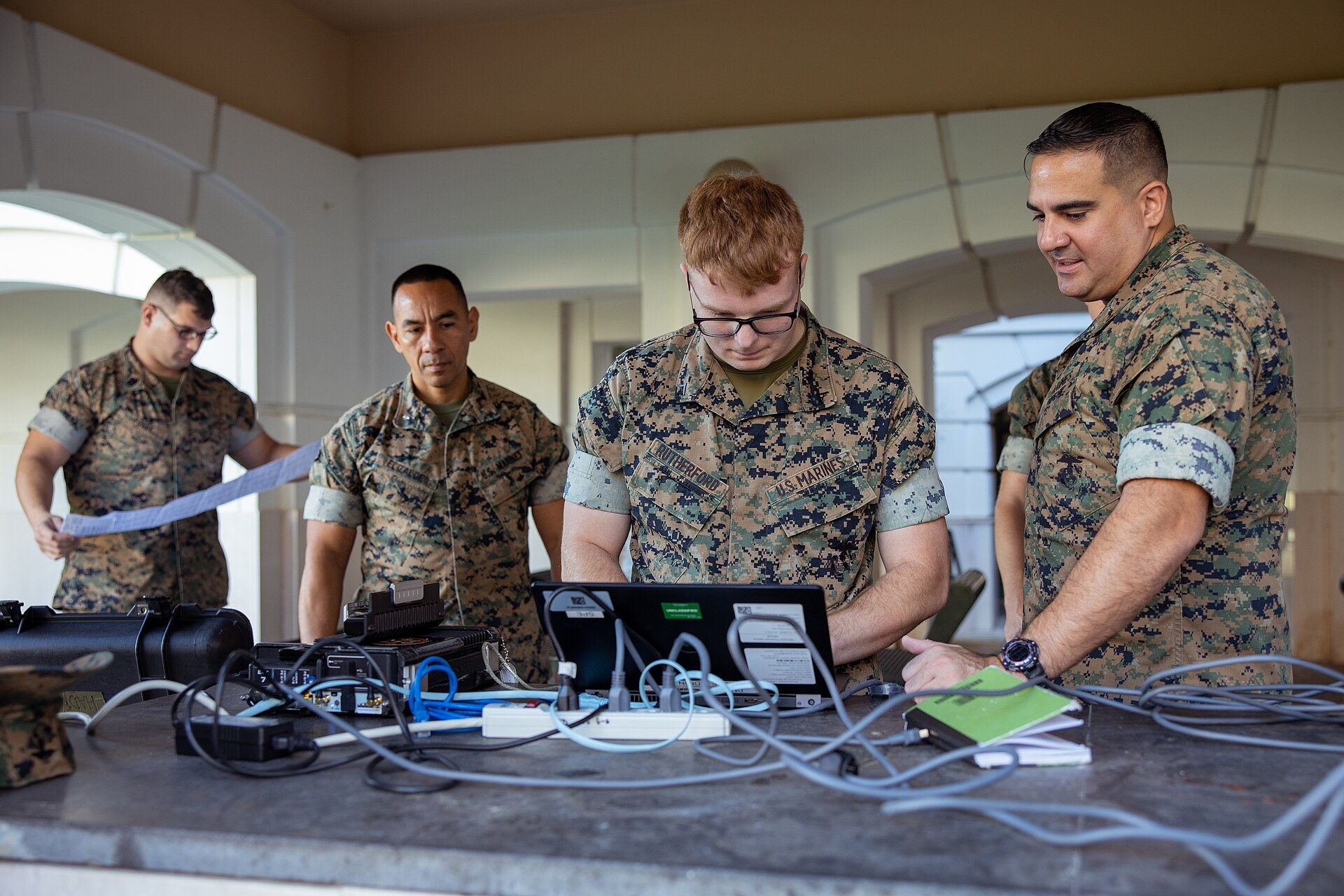
A position paper from Microsoft’s Customer Security & Trust office endorses staged release of capable models to vetted defenders. The reasoning is sound. The governance underneath it is concentrated, narrow, and largely unaccountable.
The ISM Manufacturing PMI held at 52.7 percent for a second month. Underneath that flat headline, the prices subindex jumped to 84.6 percent, and the employment subindex fell deeper into contraction.
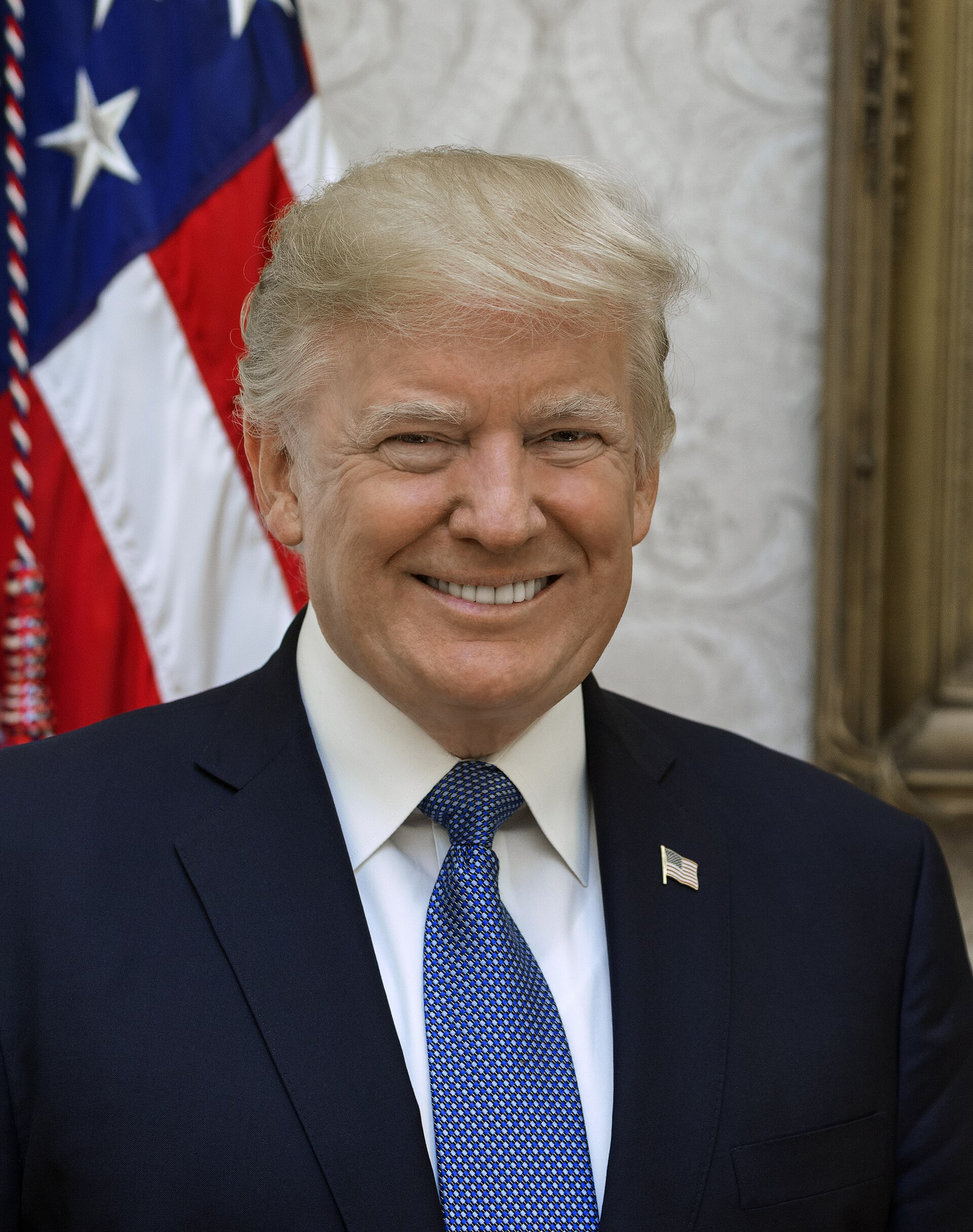
President Trump signed the Department of Homeland Security funding bill on Thursday evening, ending a 76-day shutdown without a dollar for Immigration and Customs Enforcement or Border Patrol. Senate Republicans now have until June 1 to deliver the same funding through reconciliation, where 50 votes is enough.
By P. Sharma · 7 min read · May 1
The Standard Brief
A morning brief from the Moxley desk.
Three stories. One paragraph each. Sources cited. Sent at 06:30 local. No tracking pixels.
Free · No ads in the email · One-click unsubscribe